

Veg on a Budget
Yes, veg, fruit & beans can fit into a tight budget. With a bit of planning, veg can be affordable, low-waste, and help you feed your family well. Here are simple, expert-approved tips to keep costs down.
Yes, veg, fruit & beans can fit into a tight budget. With a bit of planning, veg can be affordable, low-waste, and help you feed your family well. Here are simple, expert-approved tips to keep costs down.

Can I afford fruit & veg?
Let’s save some money…
When budgets are tight, every penny counts, and no one wants to buy food their kids might refuse. These tips focus on small, realistic changes that protect your wallet and reduce the risk of waste when it comes to buying veg, fruit and beans on a budget.
Here are a few tips to help…
Get Free Fruit & Veg!
Over 200,000 low-income families with young children and pregnant women are missing out on Healthy Start payments for free fruit, veg, milk and vitamins, with around a third of eligible households not signed up.
The Healthy Start scheme helps young families on low incomes access fresh food and vitamins, and could make a real difference during the cost of living crisis.
Making the most of Healthy Start vouchers is one of the simplest ways to add veg to your family’s budget. Check if you’re eligible and start using them.
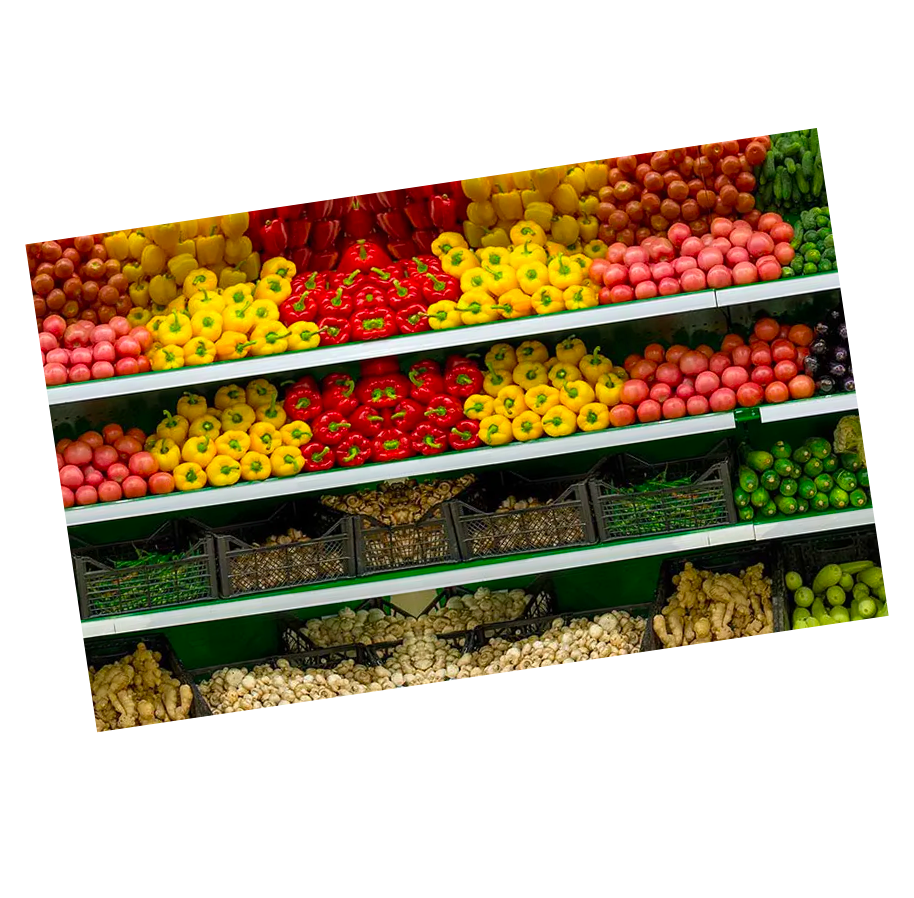
Use Frozen and Tinned
Frozen and tinned beans, fruit and veg are usually cheaper than fresh, and often lead to less waste. Frozen veg and fruit is picked and frozen at peak ripeness, locking in nutrients, and because it’s prepped for you, it’s quick and easy to use.
Frozen veg and fruit is also great for offering small amounts when introducing new flavours, so nothing goes to waste. Hugh Fearnley-Whittingstall and Charlotte Radcliffe RNutr share simple ways to get more from frozen veg.

Jamie's £1 Wonders
Looking for budget-friendly recipes? Jamie Oliver’s £1 Wonders collection includes quick roasts, hearty stews and easy pastas, all for under £1 a portion. These tried-and-tested recipes are great for busy families and tight budgets.

Meal Planning and Batch Cooking
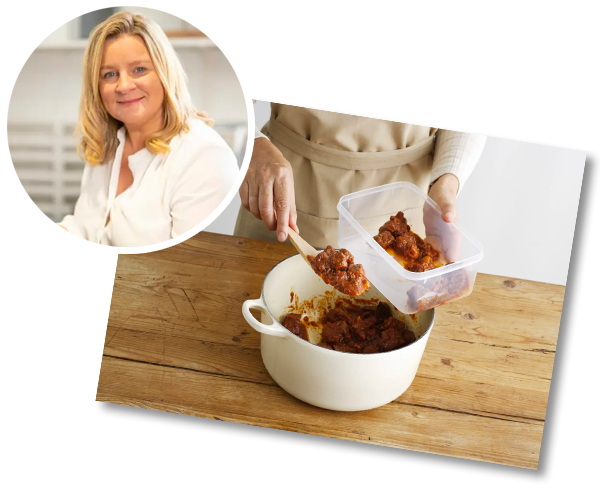
Planning meals and writing a shopping list helps cut waste because you only buy what you need. Batch cooking doesn’t have to be complicated – simply double a favourite family meal and save one for later. It saves money and time on busy nights.
Storing Food More Effectively
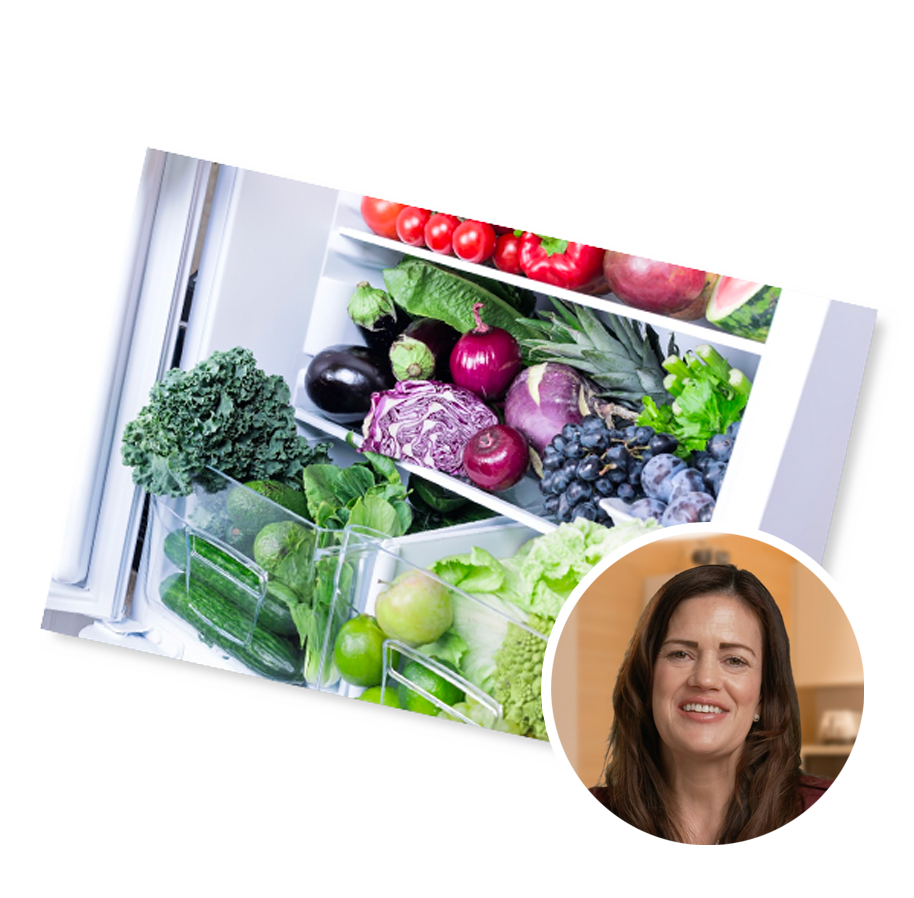
Storing veg and fruit correctly helps it last longer and reduces waste. Keep most root veg in a cool cupboard, tomatoes at room temperature, and cut carrots in water in the fridge. Wrapping celery in foil can help it last for weeks.
Keep ethylene-producing fruits like bananas and apples separate from other fruits to avoid over-ripening, and wash soft fruits like berries at the last moment to avoid mould.
Using up leftovers and storing food well means more goes on plates, not in the bin. Registered nutritionist Charlotte Radcliffe shares her top storage tips.
Reducing Food Waste
The less food you waste, the more money you save. Good storage, meal planning and using only what you need (especially with frozen or loose veg and fruit) all help.
Still throwing things away? Keep a small note by the bin and jot down what’s being wasted over a week or month. It can help you spot patterns and choose what to buy, store or cook differently.
Eco-chef Tom Hunt also shares more ways to prep veg to minimise waste.

Make meals go further
Using beans and pulses to replace some (or all) of the meat or fish in meals is one of the quickest ways to save money, and it adds a portion of veg. Lentils, chickpeas and beans are filling, high in protein, and budget friendly.
If your family is unsure at first, start small: replace a little of the meat, and gradually adjust over time. Registered nutritionist Zoe Griffith RNutr shares simple ways to make meals go further.


Do you have a question you’d like one of our experts to help you with?

Simply Veg
Healthy made simple
Our only goal is to help parents and carers serve up affordable, simple food their families will love. We know that takes more than a few recipes, so we've got all the hacks and advice you'll need. Join now. It's 100% free and 100% simple.


For exclusive new content