Skip to content

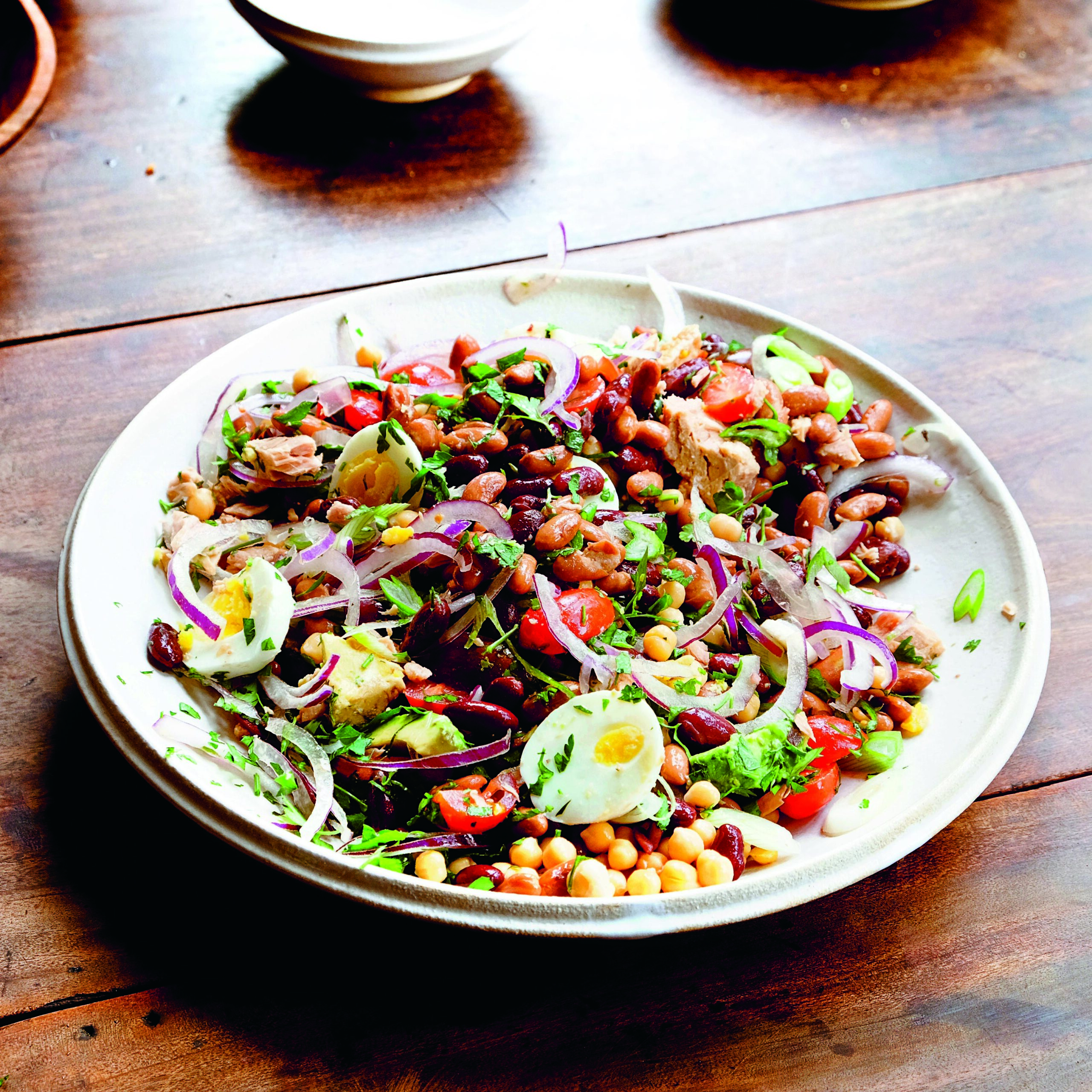
Hugh’s Many Bean Salad

Hugh Fearnley-Whittingstall

Featuring:
Pulses_Pile icon
Pulses
Effort:
Complexity:
Cost:
In season now

Serves: 2-4

Prep time: 5 mins

Cook time: no cook

Ingredients:

400–500g cooked pulses, either alone or in combination (see intro to recipe*), drained and rinsed if tinned

160g tin sustainably fished tuna

5–6 spring onions, trimmed and sliced

Small bunch of parsley, leaves picked and roughly chopped

3–4 tablespoons mustardy vinaigrette (shop-bought or make your own with mustard, vinegar and oil)

Salt and freshly ground black pepper

Additional flavouring ingredients:

Preserved artichoke hearts, thickly sliced

Chunky cubes of avocado

Capers

Celery, very finely diced (use the leaves too, if you have them, instead of or as well as the parsley)

Cornichons, chopped

Hard-boiled eggs, halved or quartered

Soft goat’s cheese or feta, crumbled

Red onion, halved and thinly sliced, instead of or with the spring onions

Sweetcorn, cooked, or raw if very fresh

Cherry tomatoes or sun-blush tomatoes

Olives, pitted (whole or halved)

Share:

Recipe donated from Hugh Fearnley-Whittingstall and first appeared in Love Your Leftovers.

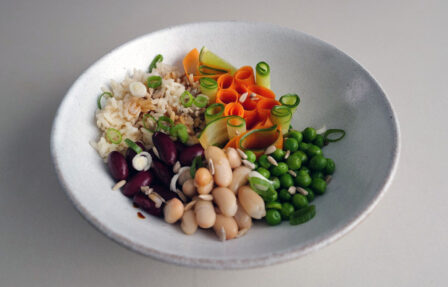
This is the sort of thing I can rustle up quickly in the middle of the working day, as long as I have some leftover pulses or tinned beans. Softer pulses fare best*: cannellini, borlotti, pinto, kidney or black beans, and chickpeas. At its simplest, this salad may be just a tin of cannellini beans drained and tossed in a mustardy vinaigrette with some chopped spring onions and flaked tinned fish. At its most exuberant, it has many more ingredients. Indeed, it can be a great clear-the-fridge assembly.

Method:

Toss everything together with the dressing, adding any ingredients you fancy from the suggestions listed.

Toss the salad again, taste and add a little more salt and pepper if needed. Give it a final mix and serve.

Tips and swaps

Dressing thrift: If you’re using ingredients preserved in oil, such as artichoke hearts, olives or sun-blush tomatoes, taste the oil; if it has a good flavour, use it to make your vinaigrette. Also taste the vinegar from your caper or
cornichon jar. If it tastes alright and you fancy a sharp, punchy dressing, use this too.

Lemony version: Instead of the vinaigrette, dress the salad with a little finely grated lemon zest, a squeeze of lemon juice, a splash of well-flavoured extra virgin olive oil and some black pepper and flaky sea salt. You could also add some chopped salted lemon peels (or shop-bought chopped preserved lemons) to the salad.

Engaging Kids

Engaging Kids

Kids who engage regularly with veg through veg-themed activities, such as arts and crafts, sensory experiences, growing and cooking are shown to be more likely to eat the veg they engage with. Encouraging kids to engage and play with veg is the handy first step to them developing a good relationship with veg and life-long healthy eating.

Kids in the kitchen

Kids in the kitchen

Kids can really own this recipe! Let them help you choose ingredients from what you have on hand and toss everything together or make a dressing.

Master these skills:

Cleaning vegetables,  Tasting,  Grating,  Mixing
Activities

Activities

Why not get a selection of different dried or cooked beans and lentils and try and capture the different colours, textures and shapes with colouring pencils? Or make a rainmaker with an empty, clean lidded crisp tube or milk bottle – pour in some dried beans or lentils, decorate them and seal the lid tightly before shake, shake, shaking!

Kids more interested in science? You can find at-home science fun with veg with our videos from Stefan Gates’ here.

Find loads more free veg-themed crafts here and games here.

Sensory

Sensory

Why not explore pulses through touch and sight? There are so many different kinds of beans and lentils. Get a few types that are a good mix in size/shape and colour, dried vs cooked, etc. and see if you can and your child can describe them. What do they look like? What colours, shapes and patterns can you see? What do they remind you of? What do they feel like? Are they rough, smooth, slimy, hard?

Find more sensory ideas, tips and videos here. If you get stuck and need a little help with describing words, we have a selection for you here, too!

Serving

Serving

Next time you make this meal, try to get your kids involved in small ways wherever you can – when serving it up, why not let your child help you plate and garnish it, or maybe they could design a menu for the table.

Find the best ways of involving your own child and their skills and interests on our Roles for Kids page.

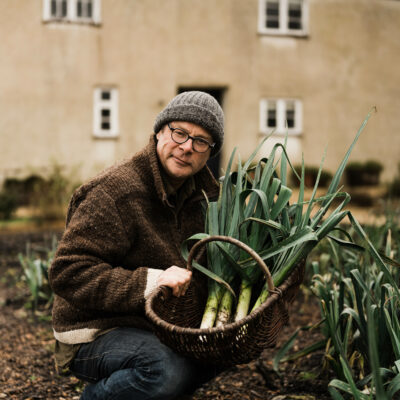
Hugh Fearnley-Whittingstall

Hugh is a chef, food writer and campaigner known for championing seasonal eating, sustainable food and better food systems. He helps families understand where food comes from and how to make simple, affordable choices that benefit both health and the planet.

www.rivercottage.net/

Similar recipes

Kidney bean and beet falafel

Ali’s Kidney Bean & Beet Falafels

Effort: 2
Complexity: 2
Cost: 2

Ali Honour

Claire’s Bean & Egg Chimichangas

Effort: 2
Complexity: 2
Cost: 1

Claire Thomson

beans & greens soup

Niki’s Beans & Greens Soup

Effort: 1
Complexity: 1
Cost: 2

Niki Webster

quick chana masala

Mallika’s Quick Chana Masala

Effort: 1
Complexity: 1
Cost: 1

Mallika Basu