

Winning with Reward Charts
Struggling to get your kids to eat more veg? A reward chart can turn mealtime into a fun, pressure-free challenge! With the right approach, it can help even the most reluctant eaters feel proud of their progress—no matter how small.
Struggling to get your kids to eat more veg? A reward chart can turn mealtime into a fun, pressure-free challenge! With the right approach, it can help even the most reluctant eaters feel proud of their progress—no matter how small.

How can I use reward charts to encourage my child to eat healthier food?
Small steps add up! Whether it’s a first lick, a tiny nibble, or trying a new veg a few times, every effort counts. Reward charts help make these moments fun and positive, giving kids a sense of achievement while keeping the focus on progress—not perfection.
Veg Power has distributed more than 4.5m reward charts to parents. A whopping 80% report their child ate more vegetables using them. Look below for our simple steps to winning with reward charts and to find the one for you.

Reward Charts
When used well, reward charts can be a fantastic tool to encourage kids to try new veg without pressure. But getting the approach right is key! To help set you up for success, child psychologist Dr Clare Holley, one of our expert panel, shares her top tips for making reward charts work for your family.

6 simple steps to winning with reward charts
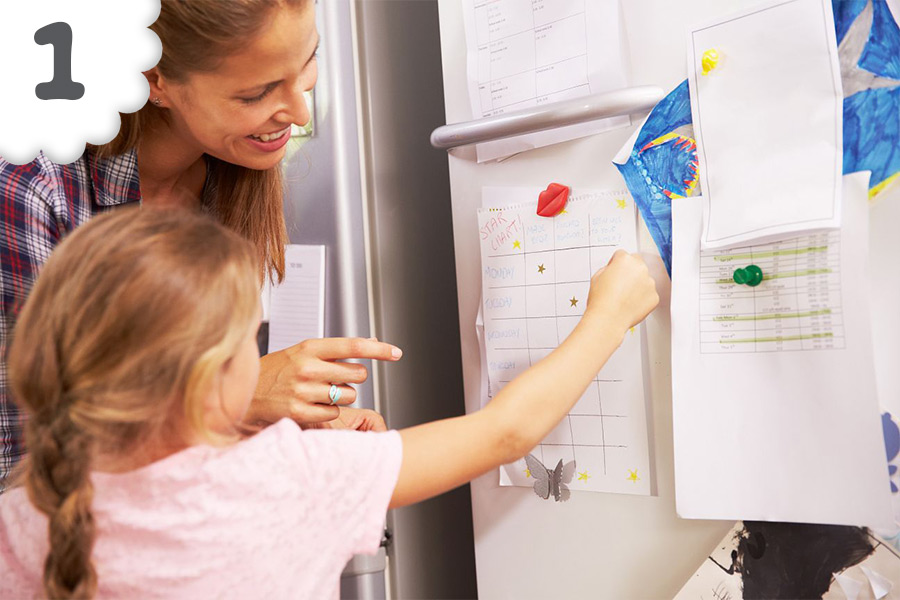
It’s all about you
IMPORTANT: Reward charts are not about putting stickers on a chart.
They give children the chance to do the one thing that they want to do more than anything else. To please you, their parents or carer, to earn your praise but without giving up the natural desire to feeling in control.
The success of a reward chart absolutely depends on how well you engage with it.
Follow these steps and you’ll be amazed how well even the fussiest eaters will respond.
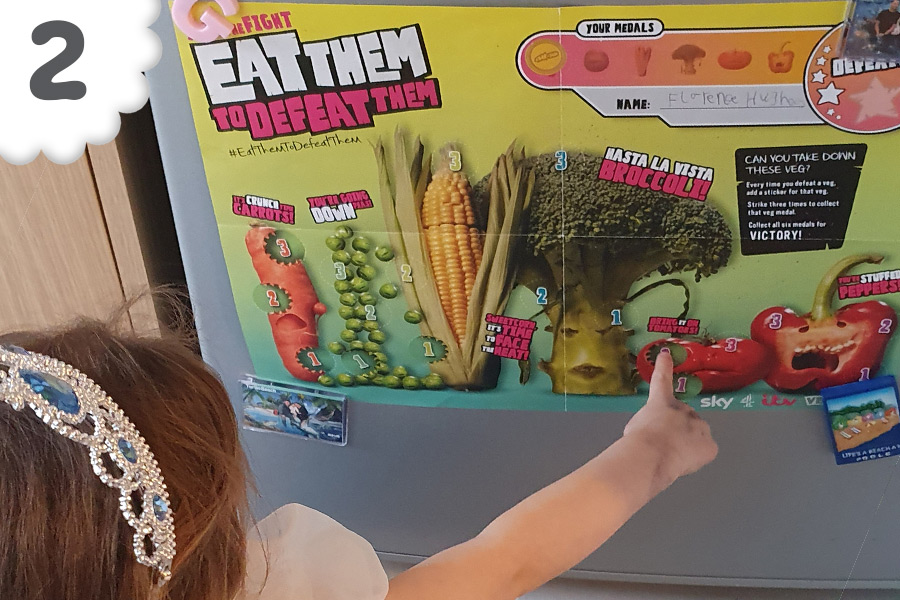
Put it in the right place
The first step in showing your child how important the chart is to you is where you put it. 42% of parents put reward charts on the fridge, 43% put them on the wall. But 14% shove it in a drawer or to one side. Which is the most positive message?
So, find a prominent place, put it up together. Have the child put on the Blu-tack, let’s them steer you on the exact placement. Stand back and admire it. Let them see that this is important to you, but they are in control. If you can, get another adult in your household to notice the chart and ask your child to explain what it is.
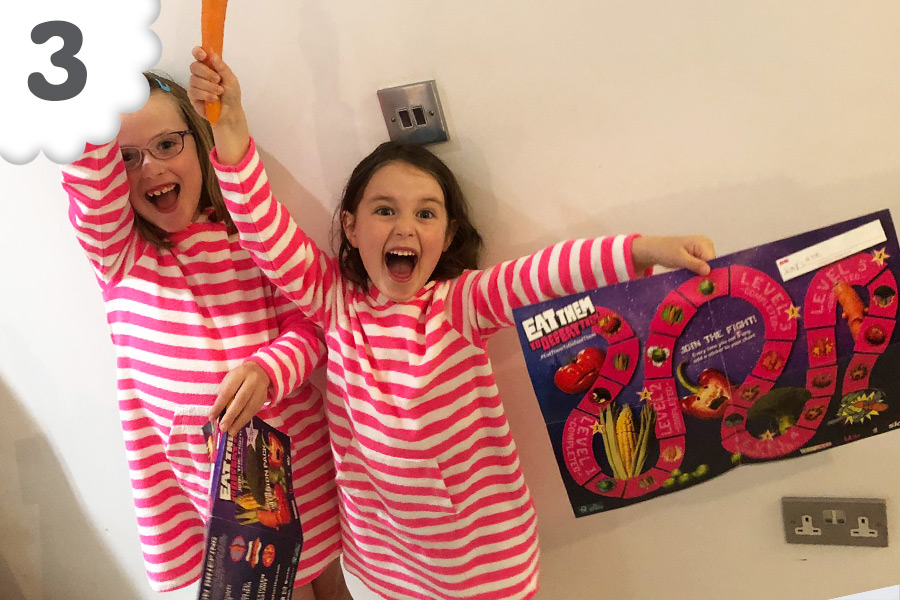
Pick the right reward
The real reward is the shared experience with you, but an added incentive for completing does help.
You know your child and what they will respond to. Consider a small toy, extra story time, a shared favourite activity such a trip to the park or swimming, or a fun game together.
Do not offer a food reward. Rewarding eating veg with desserts or sweets can lead to long-term associations with veg as “bad” or a chore and “treats” as the fun “reward”.
Agree the reward together when you start, discuss it with the child, make it count and let them pick from a short list you create. Remember they need to feel in control.
Final tip: don’t disappoint. Whatever the reward is, overdeliver on it, or you might undo all the good work.
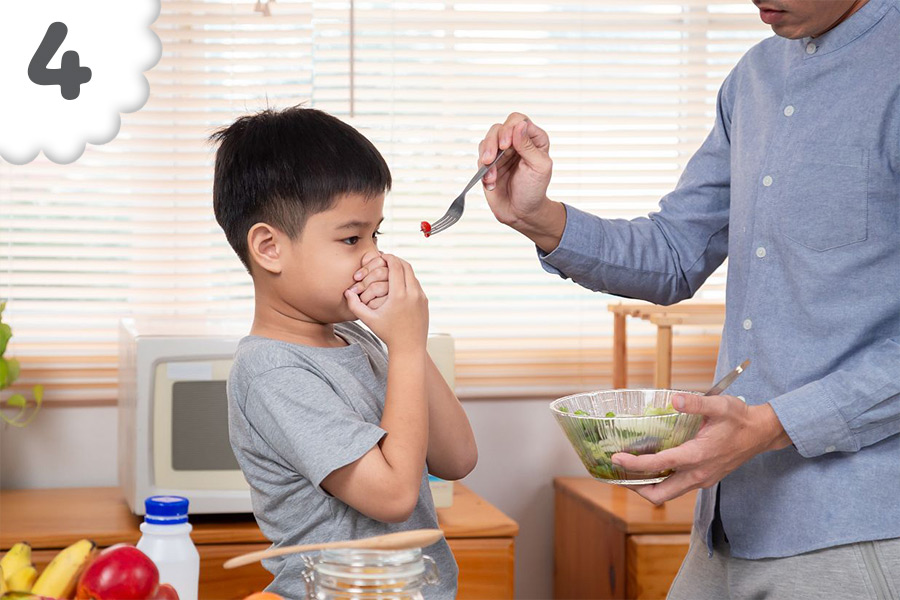
What counts is up to you!
What counts is progress. Happy mealtimes count. No battles, now that really counts.
Before you start, ask yourself what you want to achieve. Think small steps. If your child only eats peas and carrots and you are keen to introduce new veg then start with an easy-win sticker each for carrots and peas and then progress to new stickers for trying new veg. For children who are really cautious with food, start with a sniff (give them a sticker), progress to a nibble, even if they spit it out (sticker), always start with a couple of easy wins to get momentum. Within a couple of weeks, they will be eating it.
Remember that just adding one more type of vegetable to their regular diet is a massive win, so you might want to focus on that. If so, ask your child which vegetable they might want to “defeat” this year, let them choose. Peas, carrots, sweetcorn, red peppers and butternut squash are generally easier as they are so sweet.
Set goals that work for your child and make sure they are clear on what the reward is for. And remember that they look to you for their examples, so make sure they see you eating the veg, too, even just a nibble at their teatime.
Praise, praise, praise…but not too much
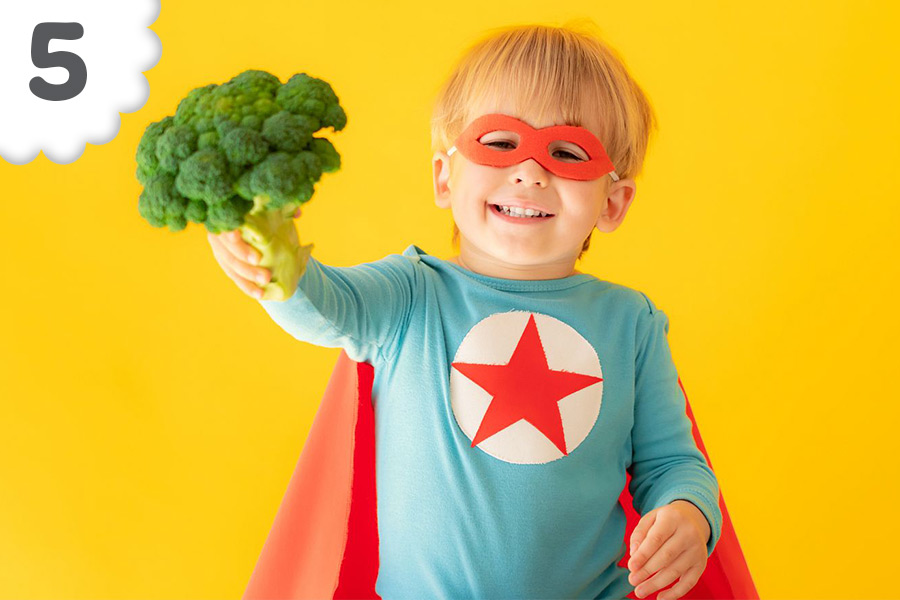
Every time you add a sticker, do it together. Remember the prize for your child is not the sticker on the chart it is the smile on your face as you watch them put the sticker on the chart.
Make sure you are praising their attempts, their successes, and any positive interaction with the veg.
Big bonus: if possible, get another adult in the household to notice and praise how well the child is doing with their chart. You can even send a photo of your proud child and their chart to another member of the family, such as a grandparent, and make sure they send back praise you can share with your child, too.
Take the pressure off
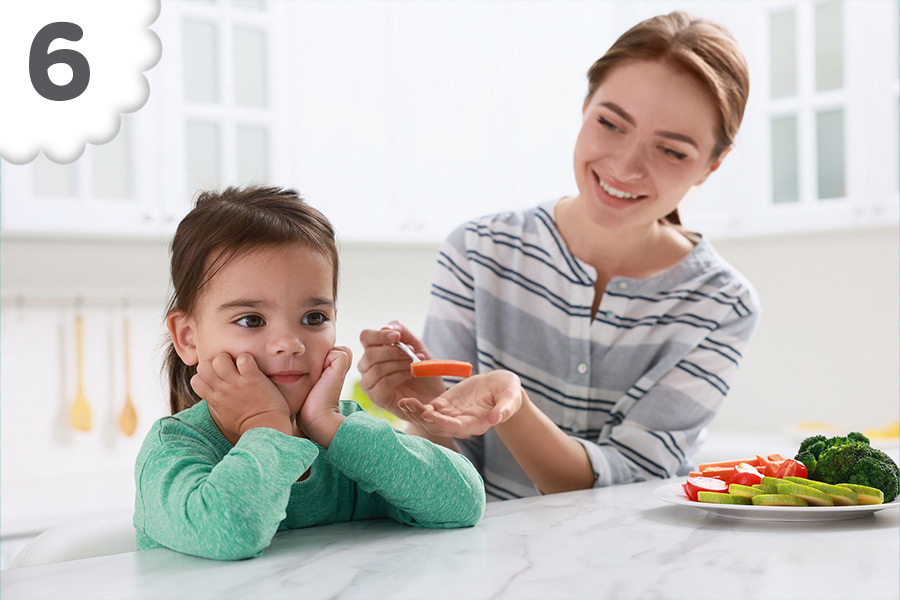
Research tells us that the more pressured a child feels to eat something, the less likely they are to eat it in the long-term (even if on that occasion they have another mouthful). So don’t push too hard, try not to look too desperate for a win.
Sometimes simply moving to outside of mealtimes as part of a fun-tasting activity or a snack time can remove some of that mealtime stress we all know too well!
If you have a little time, try one of our sensory experiences with your child. It is a simple and fun way to develop their willingness to try new things.

If that works…keep going
If a reward chart works for you, do another! Or maybe wait a little and then do another. If it’s a tool that works, use it, that’s what we say.
Veg Power provides millions of wall charts to families through schools. If your school does not participate in Eat Them to Defeat Them, send the headteacher our flyer, you can download it here.
You can also download and print out one of our reward charts below, grab a cheap pack of stickers from the shops, or simply colour them in. You can even make your own reward charts – all you need is a piece of paper!
Need a little extra help?
Our website is packed full of tips and advice from the experts. Look for one simple thing you can do to take small steps to better. Don’t miss signing up for our monthly email packed full of more help and fun ideas.
What if everything I try fails?
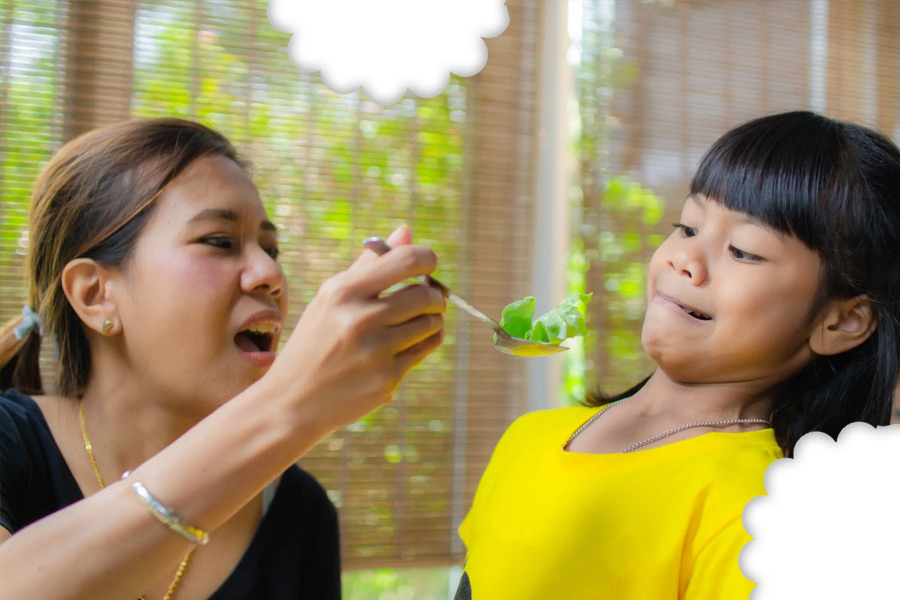
Nearly half of all parents struggle with getting their kids to eat vegetables, so if you’re feeling frustrated, you’re far from alone.
We understand how tough it can be. Professor Giles Yeo shares his top tips, and Dr Clare Holley shares her simple three step method on dealing with constant refusal.
How do I get my kids to engage?
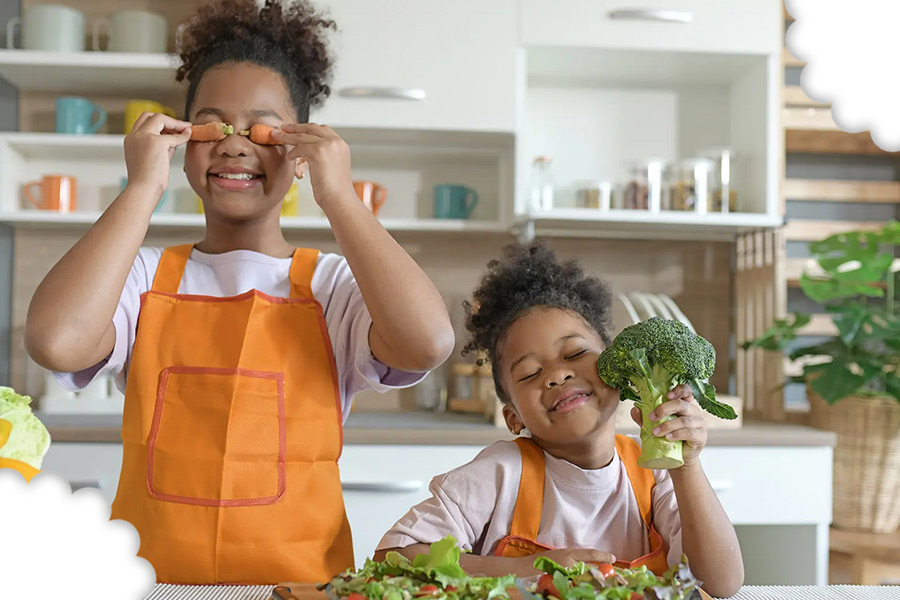
Children become more comfortable with healthy food when they can explore it without pressure. Touching, choosing, helping, talking and playing around food all help children become more familiar and confident, making it easier to try new foods over time.
This page is full of easy, low-pressure ways to get kids involved, from sensory play and kitchen jobs to crafts, games and everyday food conversations. Discover realistic expert tips that can help make trying healthy foods feel less stressful for everyone.

What other small thing can I do?
One of the most effective ways to get your kids to eat more vegetables, fruit or beans is by weaving it into your daily conversations. Talking about food not only helps you understand your child’s preferences but also turns those frustrating “no” moments into positive experiences.
With more tips from psychologist Dr. Clare Holley, you’ll find it’s easier than you think to make veggies a fun part of your family’s routine!

Find the right reward chart

Join the Fight!
Eat Them To Defeat Them is a fun, multi award-winning campaign helping kids to eat more veg. With action-packed charts, kids become superheroes defeating veg villains, turning trying into a playful mission! Perfect for picky eaters.

Eat the Rainbow!
A simple, fun way to get kids excited about trying new veggies. This chart encourages those already eating some veg to explore more colours and varieties, making healthy eating a playful and rewarding adventure!

Broccoli Challenge!
Turn broccoli into a fun mission! This chart helps kids give it a try, take small bites, and discover its superpowers. Watch them grow their veggie bravery and add broccoli to their list of favourites!

Leek Adventure!
Join the fun and give leeks a go! This reward chart encourages your child to take little tastes, explore new flavours, and become leek champions. A great way to grow confidence and add leeks to their list of favourites!

Tomato Challenge!
Let’s make tomatoes a new favourite! This chart helps kids take small steps to enjoy juicy, tasty tomatoes. Every sniff, lick or bite is a win, builds confidence in exploring new flavours, and helps them become a tomato champion!
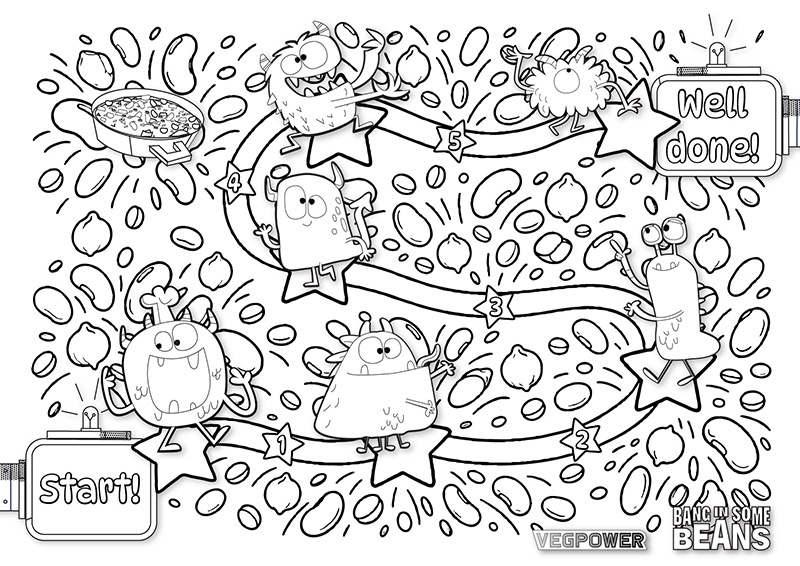
Bang in Some Beans
Beans & pulses are an excellent way to add more fibre and protein to your child’s diet. they also count as one of your five-a-day. Get started today with this chart.

Follow on social media