Kale
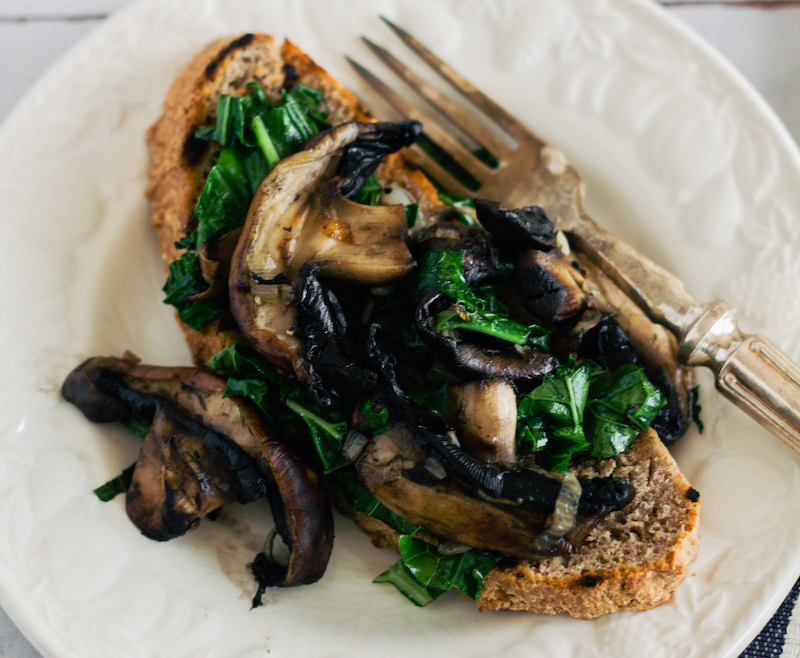

Kale has been very trendy with the hipster kids recently. This may be because it rhymes with more words than any other vegetable (you try rhyming aubergine). So every time you eat it you can break out your best rhyme. Here’s ours: hail, hail, the mighty kale, it’s so curly, it can never fail!

Nutrition
Kale is a leafy green vegetable and contains vitamins (K and C), minerals (manganese, calcium and iron) in addition to polyphenols and fibre.

Shopping Guide
Look out for kale that has fresh, crisp leaves and avoid those that are limp and yellow.

Storage
To store kale, just keep it dry and in the fridge for up to a week.

Preparation
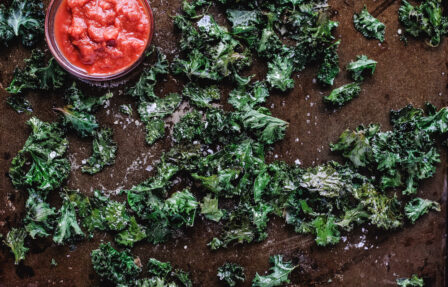
To prep kale, break the leaves off the stalk, trim the tough centre, wash, and chop. If it tastes bitter, massage with olive oil for a few minutes. You can steam, boil, sauté, or bake it with salt and pepper for a crunchy salad topping.

Kids in the Kitchen
For a younger child, let them wash and dry the kale leaves, pull them off the stems, or “massage” torn leaves with a little oil or dressing until soft – a fun, hands-on activity.
For an older child, they can practise knife skills by roughly chopping the leaves, then help cook them in a pan with butter and garlic or soy sauce until soft and tasty.
Find more ideas for involving kids in the kitchen here.

Sensory
Try exploring kale by comparing regular kale with cavolo nero (commonly called “dinosaur kale”). What does it look like? How does it feel? What colours can you see? Does it remind you of anything? Does it have a smell? Try biting through the leaves and stems separately, or snapping them by your ear if not up to trying them, and see if the leaves or stems sound crunchier.
Find more sensory ideas, tips and videos here. If you get stuck and need a little help with describing words, we have a selection for you here, too!

Serving
Next time you make a meal that includes kale, why not ask your child to help you with one small step in the preparation of the kale (maybe stripping the leaves from the stems), then see if they want to help you serve it as “their” meal. Perhaps they could help lay the table and even create a fun centrepiece, maybe with all green objects to reflect the kale’s colour?
Find the best ways of involving your own child and their skills and interests on our Roles for Kids page.

Activities
Try making an edible jungle or forest with kale leaves as trees and other veg for details, or draw a close-up kale leaf under a magnifying glass to capture the veins and lines.
Kids into science? Compare regular kale and dinosaur kale (cavolo nero) with a magnifying glass, then try a simple “massaging” experiment: tear washed leaves, drizzle with oil or dressing and lemon, massage 5-10 minutes, and observe how the texture and taste change.
You can find more at-home science fun with veg with our videos from Stefan Gates’ here.

Seasonality
Buying veg in season is not only great for the planet, it can be good for your wallet, too! Kale is at its best over autumn and winter, so look for it then for the tastiest and cheapest ones.
Coming In:
July
At Its Best:
August - March

Your Food
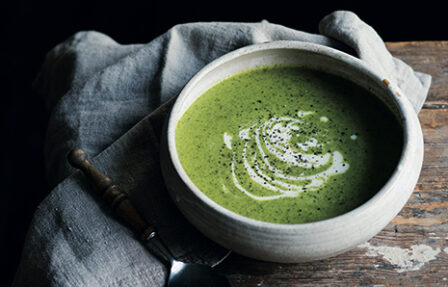
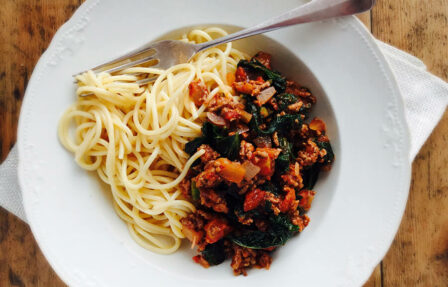
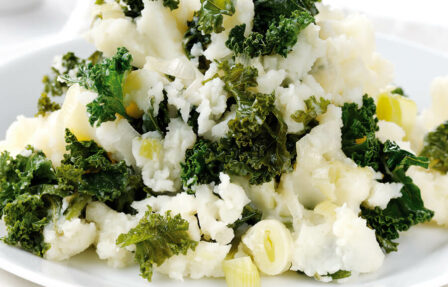
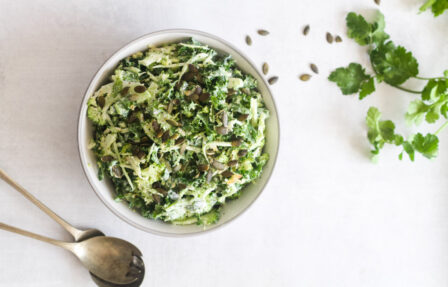
Kale is bitter and tough, so it can be a hard sell for kids! Massaging with oil and lemon for 5-10 minutes softens it, or for a crunch, try kale crisps. For softer options, slow-cook in stews or as a side with butter and garlic or soy sauce. Find some inspiration below…
Recipe Inspiration
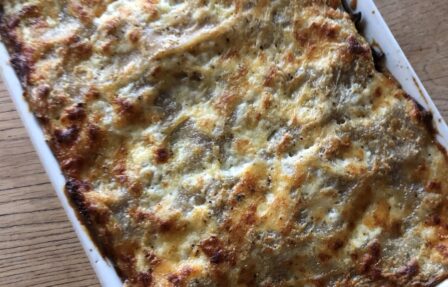

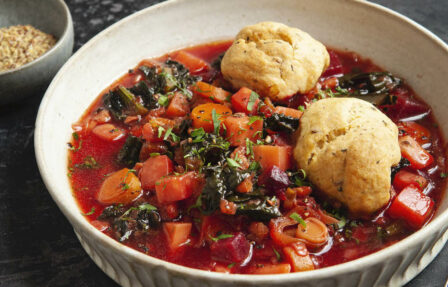
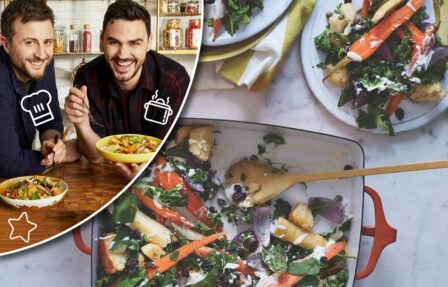
The Hairy Bikers’ Winter Vegetable Soup
Si King & Dave Myers (The Hairy Bikers)


Serving
The moments before food is offered can be a perfect opportunity for engagement that can help make it more likely a child will eat it!
The first thing to do is remove the pressure. If the veg doesn’t get eaten, it’s not the end of the world. There will be other days, other dinners, other chances. Fun is key here – try not to worry about mess, perfect table manners, or playing with food. Instead, focus on making the process of getting the food to the plates, readying the table, and the actual eating relaxed.
The best principles for success here are the Three Rs (role modelling, rewarding, re-offering) which you can read about here.
But there is one more way you can serve for success, and that is giving your child a role. You don’t have to do this every time, just encourage them in their strengths through it when you can.
Here are some of our favourite ideas:
Design a menu
Come up with a silly name or story for a dish
Help with making a meal plan and choosing veg for dinners or snacks
Help to serve up the meal on dishes, lay the table or create a centrepiece to be involved in the physical ‘serving up’ process
The Wonderful World of Veg
Check out our vegepedia. When to buy in-season. How to store them to keep for longer. How to engage children with each veg, and simple ideas of how to prepare and cook them for maximum taste and minimum waste. Select a veg…