

Eating together

How can eating together help families?
Sharing food is something families tell us they really cherish; a chance to connect, catch up and enjoy time together. Families eat together around 5 times a week on average, and even small moments can help children build confidence around food and see healthy eating modelled.
Our experts have simple, practical tips to make family meals happy, healthy and harmonious. You don’t need to eat together every day, start small and find what works for your family!
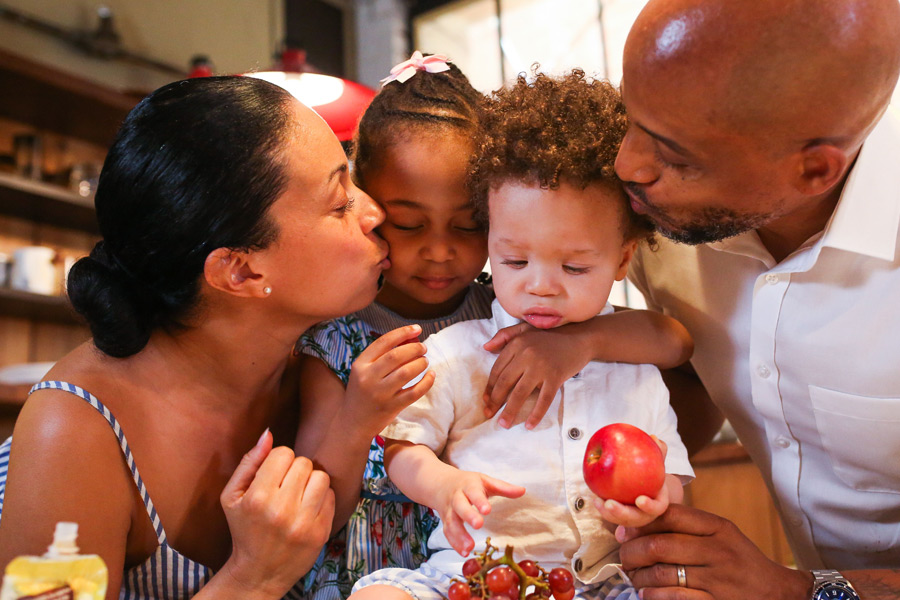
Why does eating together help?
Children learn by watching. Seeing parents, siblings and other family members enjoying a variety of foods helps make veg, fruit and beans feel more familiar. Dr Clare Holley shares her top tips.
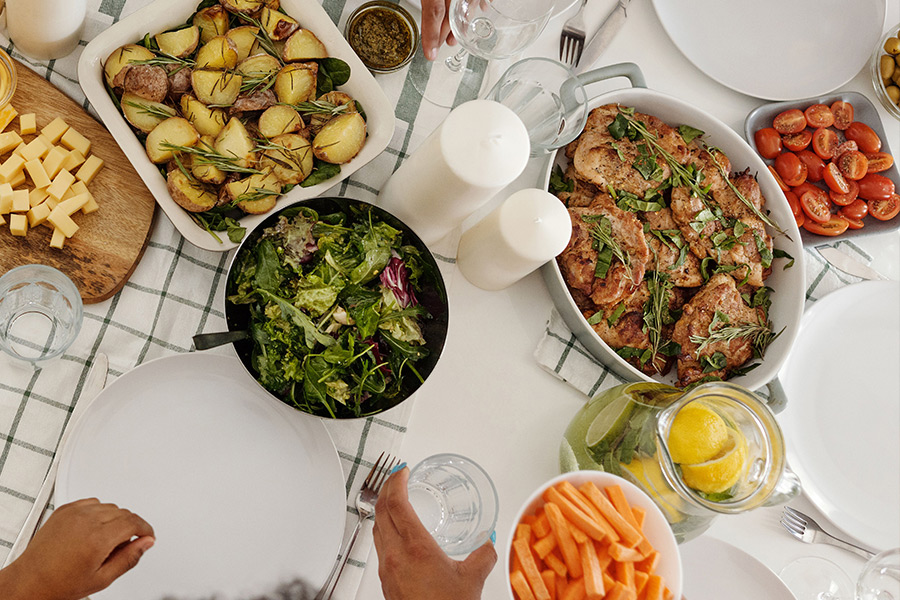
Do we need to eat together every day?
Not at all. Family life is busy. Even one or two shared meals a week can create opportunities to connect, chat and explore food together.

What if family meals feel stressful?
Take the pressure off. The goal isn’t to get children to clear their plates. It’s to create positive experiences around food that build confidence over time. If you feel stuck, Dr Clare Holley share what to do next.
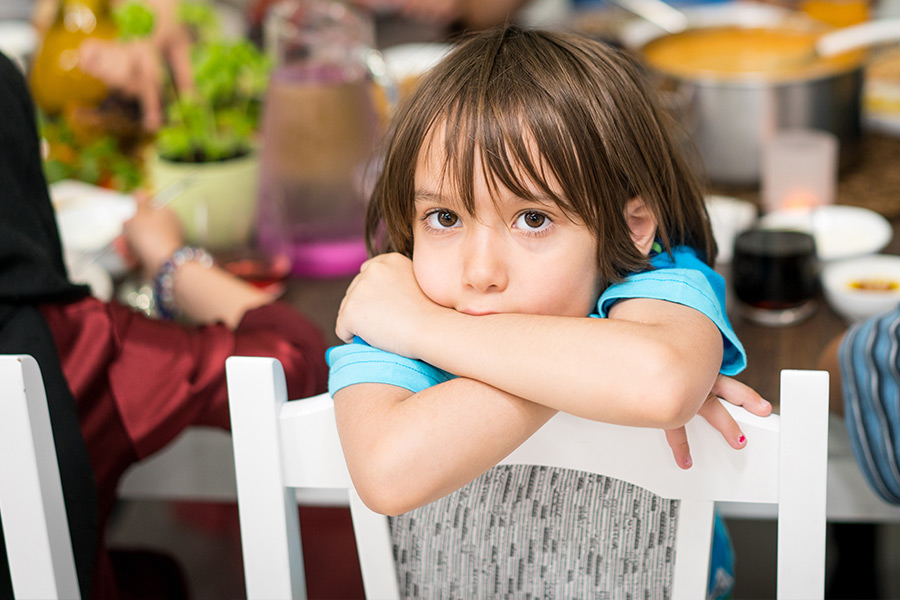
What if my child won’t sit at the table?
13% of families in the UK don’t have a table. Start by coming together wherever you can and build towards the table. Focus on making mealtimes feel positive rather than perfect. A few minutes together is a great place to begin, and you can build up slowly over time as it becomes more normal to them.
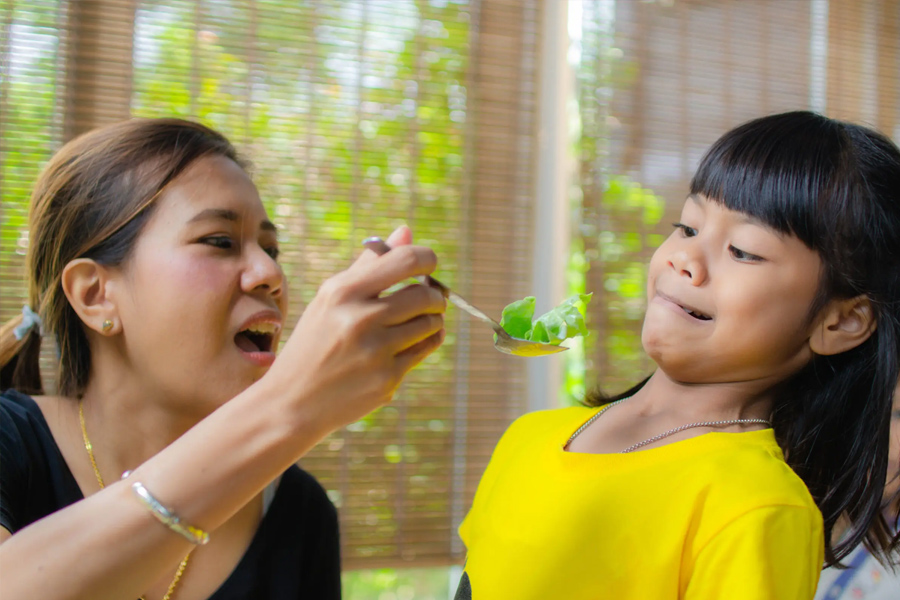
What if my child won’t eat their meal?
Try not to judge your child’s eating by one meal. Look at what they eat across the week, and consider whether they’re actually hungry when they come to the table. Too many snacks, tiredness, or a meal that’s too late can all affect how much children eat. If food refusal is becoming a regular struggle, find out how to manage it without turning mealtimes into a battle.
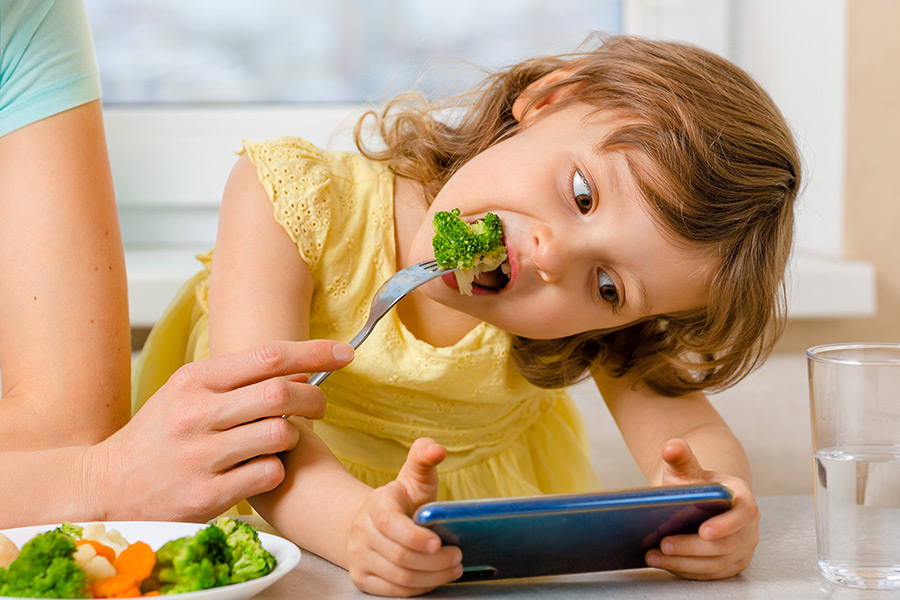
Should I allow screens at the table?
If you can, it’s best to keep screens away from the table. They can distract children from food and conversation, making it harder to notice hunger and fullness cues and enjoy time together. But remember it can take time – don’t aim for perfection. On hard days, making family life easier matters, too!

Should we talk about food while we eat?
You don’t have to, but becoming accustomed to talking about veg will really help when your child doesn’t like something or refuses to eat it. Keep it relaxed and focus on colours, textures, smells and flavours rather than how much they’re eating. Curiosity works better than pressure. Dr Clare Holley shares more tips.


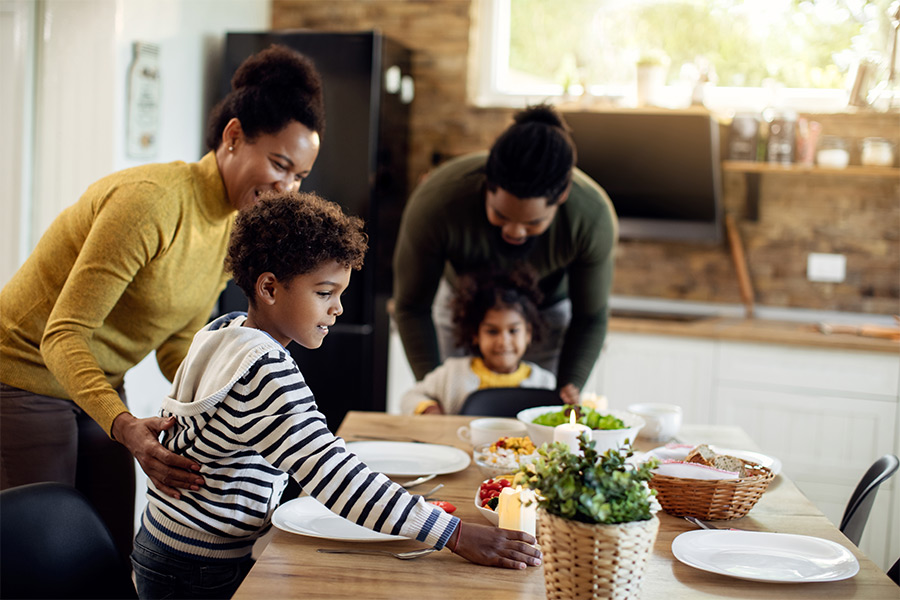
Should I get my child to help lay the table or serve food?
Yes! Giving children jobs around mealtimes helps them feel involved and gives them positive experiences with food. In fact, 55% of parents tell us their children help lay the table or prepare food.
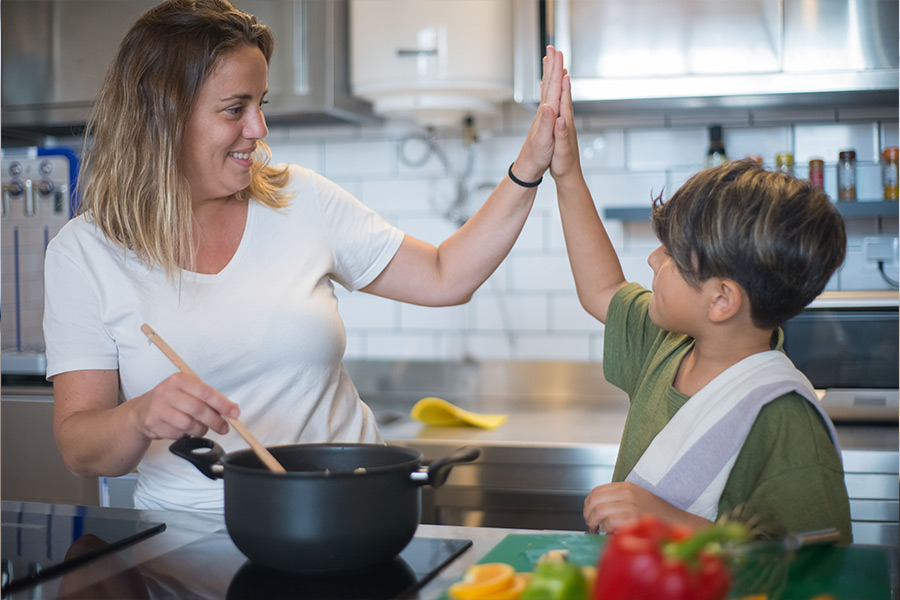
Does cooking together help children eat veg, fruit & beans?
It can. Children who regularly cook with their parents are 50% more likely to eat a healthy amount of veg. Even simple jobs such as washing, stirring, tearing or serving can help children feel more involved with food. Find our top tips from Veg Power Editor Claire Wright.
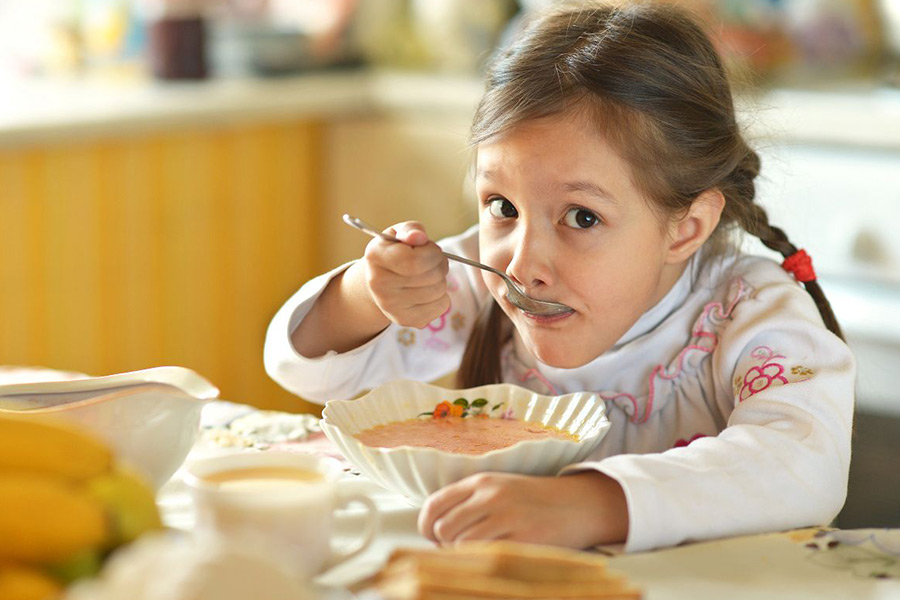
Should I hide veg, fruit or beans in my child’s food?
Half of parents tell us they sometimes hide vegetables. Adding veg, fruit and beans to sauces, soups and other dishes is a useful way to offer more veg, but it’s important that children also see and eat vegetables in their recognisable form. Seeing, touching, tasting and getting used to vegetables helps build positive associations with them over time.

Does it help if my child sees me eating veg, fruit & beans?
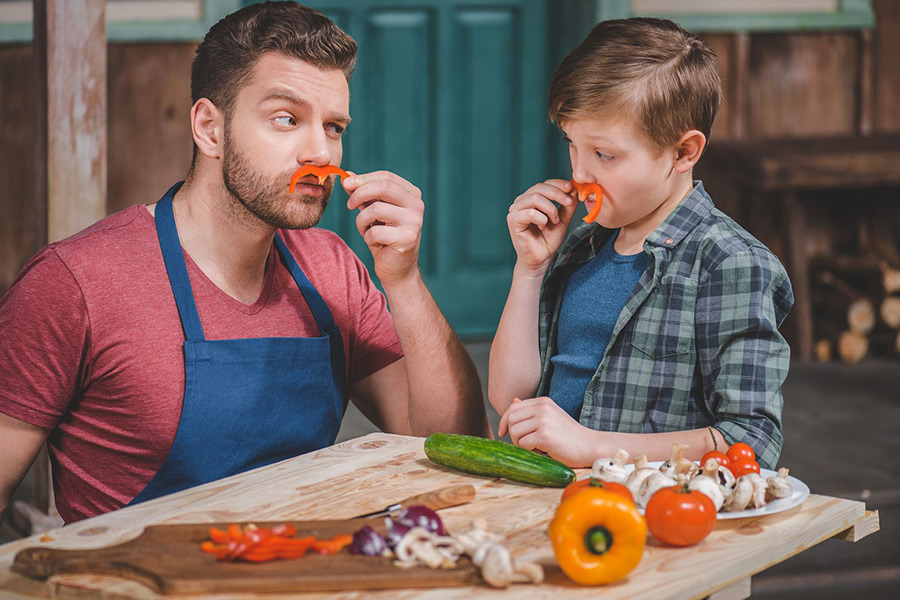
Yes! Children learn by watching the people around them. Parents who regularly eat vegetables are twice as likely to have children who enjoy eating vegetables too. Eating and enjoying healthy foods yourself is one of the most effective ways to model positive eating habits.
Should I make my child eat their veg, fruit or beans?
It’s usually better to avoid pressure or forcing children to eat veg, fruit & beans. Offering them regularly, eating them yourself and keeping mealtimes positive can help children become more comfortable with them over time.



For exclusive new content