Pumpkin
The tradition of carving faces into vegetables dates back to the Irish and Scottish Celts. Come the autumn as the evenings became darker they wanted to light the way to their homes for the good spirits, so they carved faces into vegetables such as turnips and squash and placed inside a light and called them Jack O’Lanterns.
When the immigrants arrived in America and found a plentiful supply of pumpkins, they soon adopted the pumpkin for carving Jack O’Lanterns. Pumpkins are also great to eat, so next Halloween cook up some pumpkin stew, soup or pie.

Nutrition
Beta-carotene gives pumpkins their orange colour, similar to carrots. This helps is an antioxidant that our body converts beta-carotene into vitamin A after eating. This is essential for healthy skin and eyes and supports and strengthens our immune system.

Shopping Guide
Why not try your hand as a farmer and harvest your choice of pumpkin directly from a pumpkin patch. This makes for a fun day out with the family too. While you can eat carving pumpkins, you might find you get better, sweeter flavour from a smaller eating one (sometimes called “sugar” or “pie” pumpkins). But they are both edible!

Storage
Pumpkins can last for 3-4 months if properly stored: keep them whole, store them upside-down (stalk-side down) in a cool place, and ideally on a piece of cardboard rather than directly on the floor. Once cut, store pumpkin wrapped or sealed tightly in the fridge for a few days.

Preparation
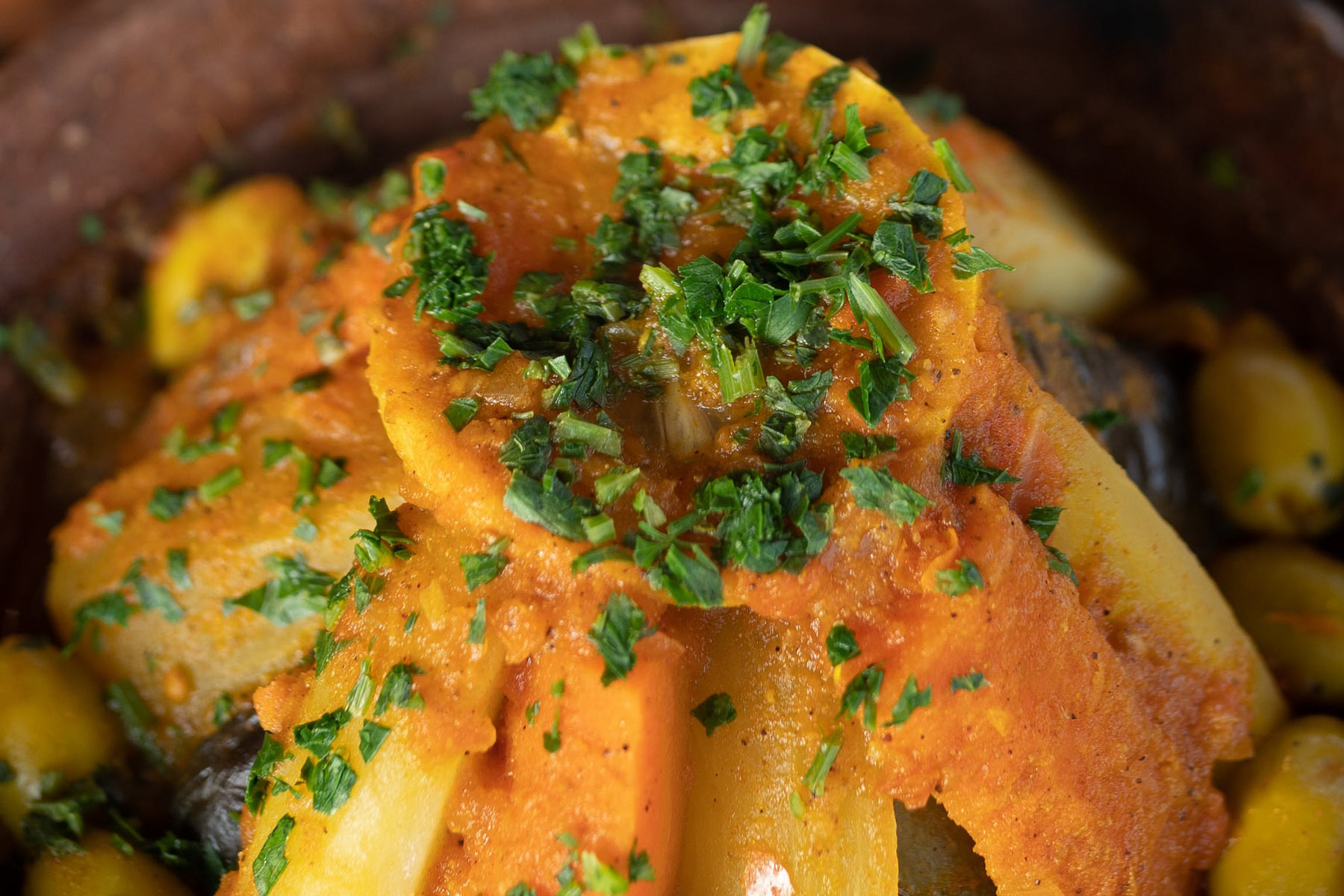
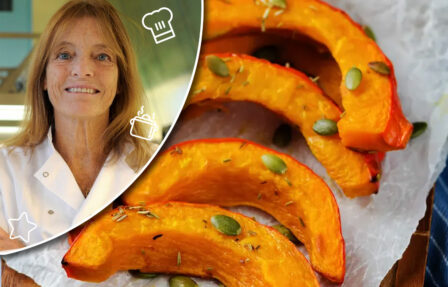
All parts of a pumpkin are edible: seeds, leaves, skin and flowers! Chop into chunks, drizzle with oil and salt, and roast with the skin on, or scoop out the flesh to bake, steam, or fry until soft. Canned pumpkin is a handy pantry staple for soups, smoothies, pies, sauces, stews, or baked goods, and grated pumpkin works well in sauces, stews, and sweet breads like carrot cake.

Kids in the Kitchen
For a younger child, why not get them to scoop the seeds out of the pumpkin before you cook it, or to rub a little oil on chunks of it and sprinkle with salt before roasting?
For an older child, it could be a great opportunity to teach them some essential knife skills. Show them how to chop using the bridge and claw grips with large chunks of pumpkin to make smaller ones. Keep a close eye on them and help when needed as pumpkins can be tough to cut, so this is best for kids who already know how to chop to avoid frustration.
Find more ideas for involving kids in the kitchen here.

Sensory
Pumpkins are great fun to explore through sight and touch. What does it look like? What colours do you see? What does it remind you of? How could you describe it? What does it feel like? Is it rough, smooth, soft, hard, bumpy? You could also explore cubes of cooked pumpkin and/or pumpkin puree to see how the texture and colours change.
Find more sensory ideas, tips and videos here. If you get stuck and need a little help with describing words, we have a selection for you here, too!

Serving
Next time you cook a meal with pumpkin and want to give your child an extra opportunity to get involved and engaged before eating, why not ask them to create an orange coloured centrepiece for the table? Can they find all orange items that make for an attractive display to match the pumpkin?
Find the best ways of involving your own child and their skills and interests on our Roles for Kids page.

Activities
Try the classic carving fun or scary faces into pumpkins at Halloween, or draw and paint pumpkins of different sizes, shapes, and colours. This helps them last longer and reduces waste, just eat within a few days.
Kids into science? Drop a pumpkin seed into fizzy water and watch it rise and sink as the carbon dioxide bubbles carry it to the top!
You can find more at-home science fun with veg with our videos from Stefan Gates’ here.
Seasonality
Buying veg in season is not only great for the planet, it can be good for your wallet, too! Try buying pumpkin in the autumn and winter for the greatest deals and best flavour. Pumpkin picking can even be a great autumn family activity if you have a farm near you!
Coming In:
September
At Its Best:
October - December

Your Food
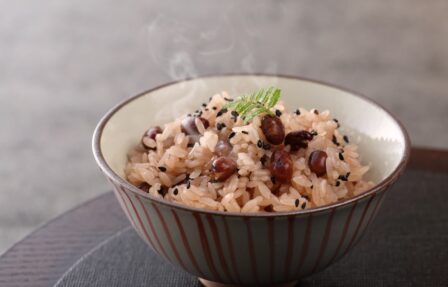
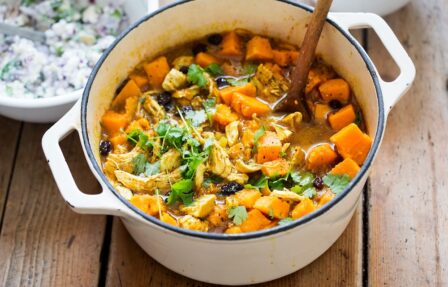
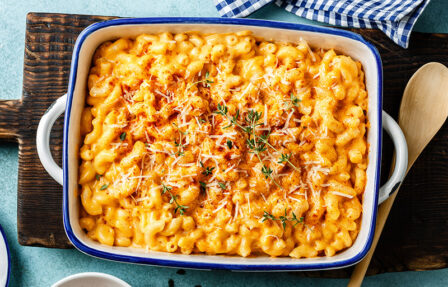
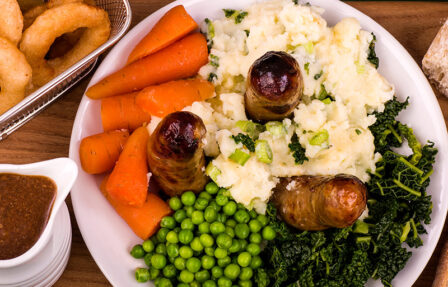
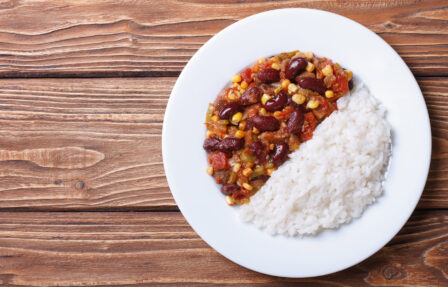
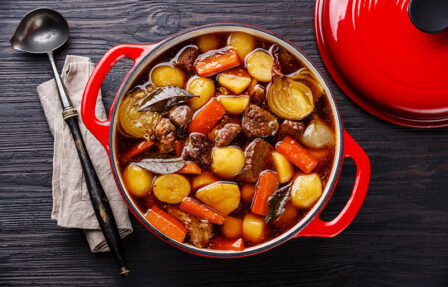
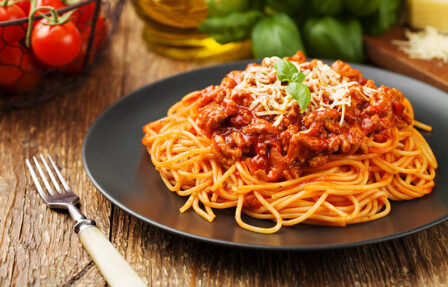
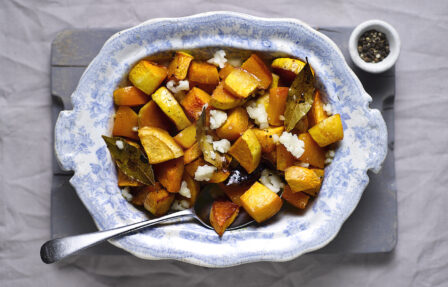
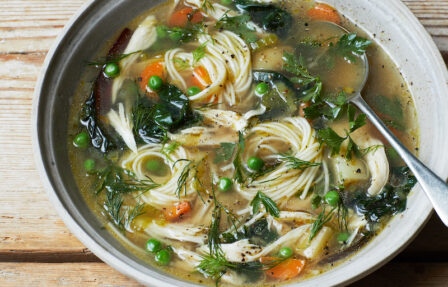
Pumpkin is mild, sweet and soft, so if your child has those preferences, it could be a great place to start! It can easily just be diced and roasted, mashed, or blitzed with stock for soup, but if you want more of a meal, why not try some of these…
Family Favourites
More Recipes
If You Like Pumpkin…Try
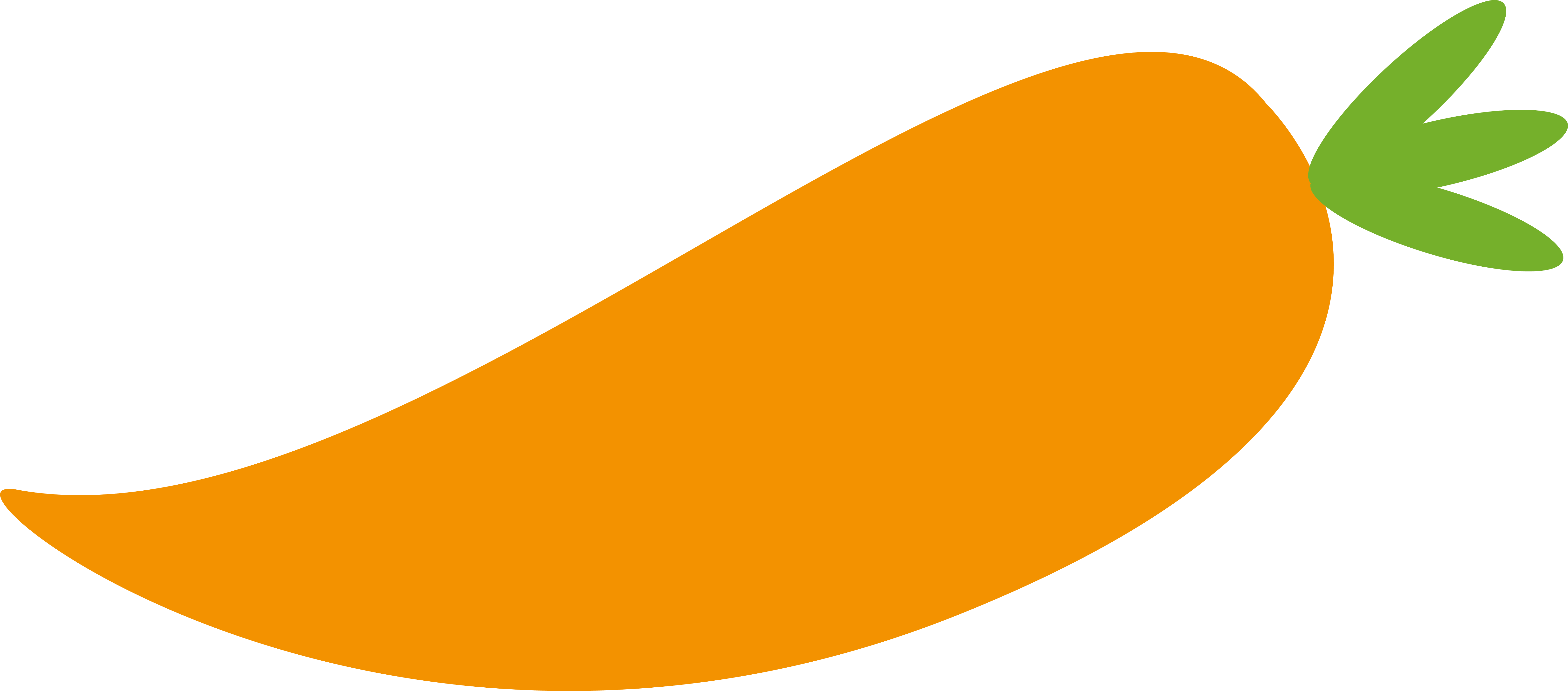
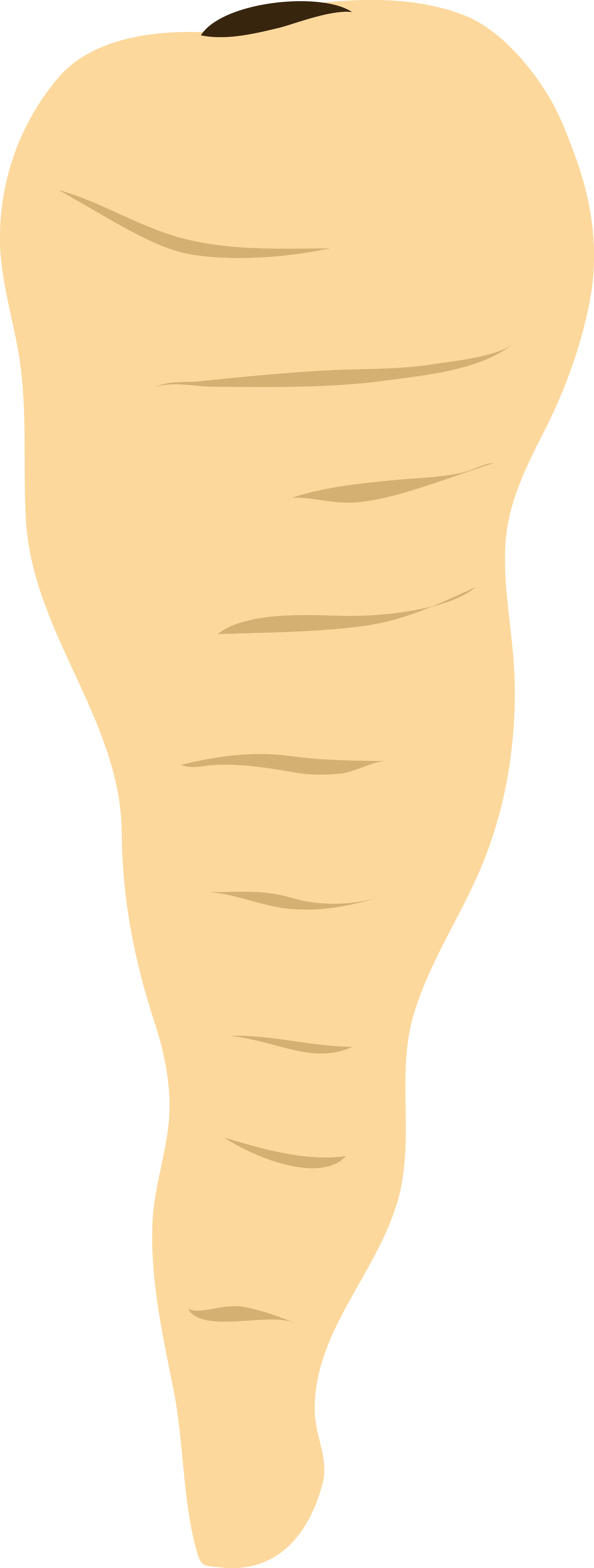
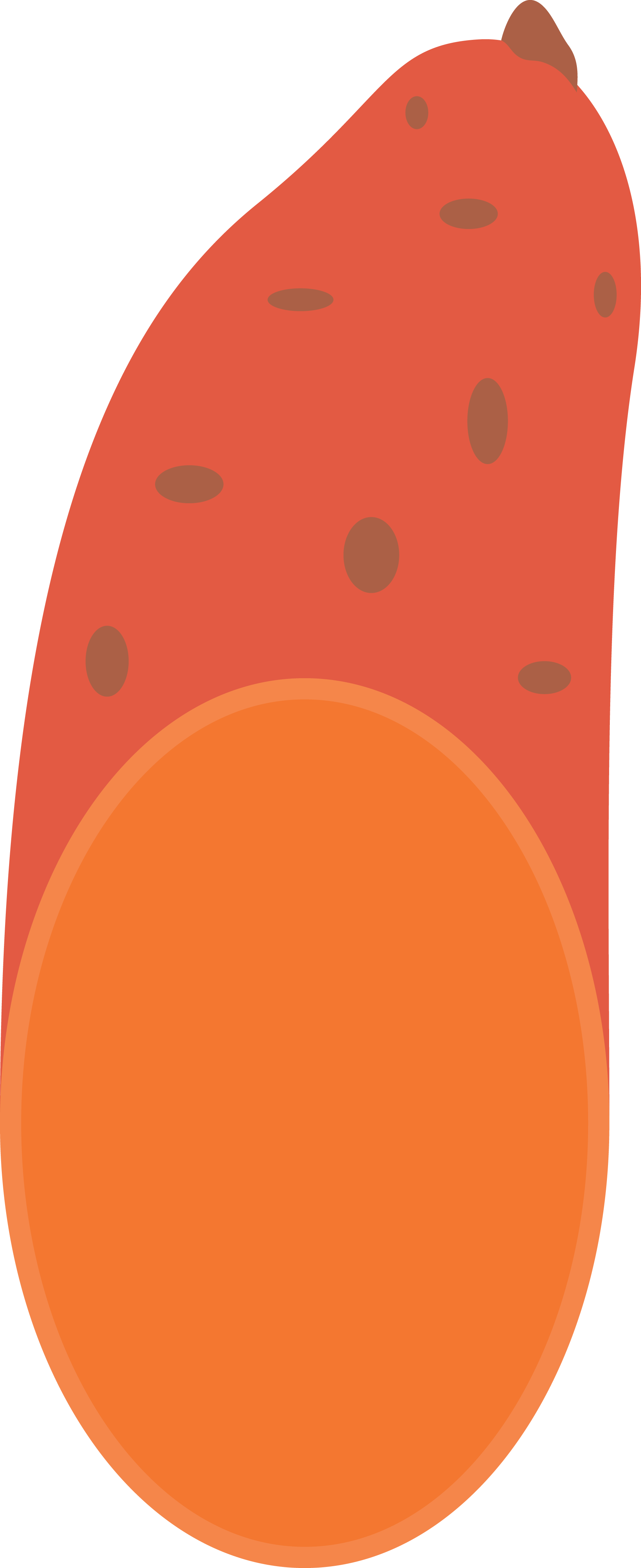
Does your child enjoy pumpkin? That’s great! Pumpkin is usually soft and sweet, so why not try a similar texture and/or taste…

The Wonderful World of Veg
Check out our vegepedia. When to buy in-season. How to store them to keep for longer. How to engage children with each veg, and simple ideas of how to prepare and cook them for maximum taste and minimum waste. Select a veg…